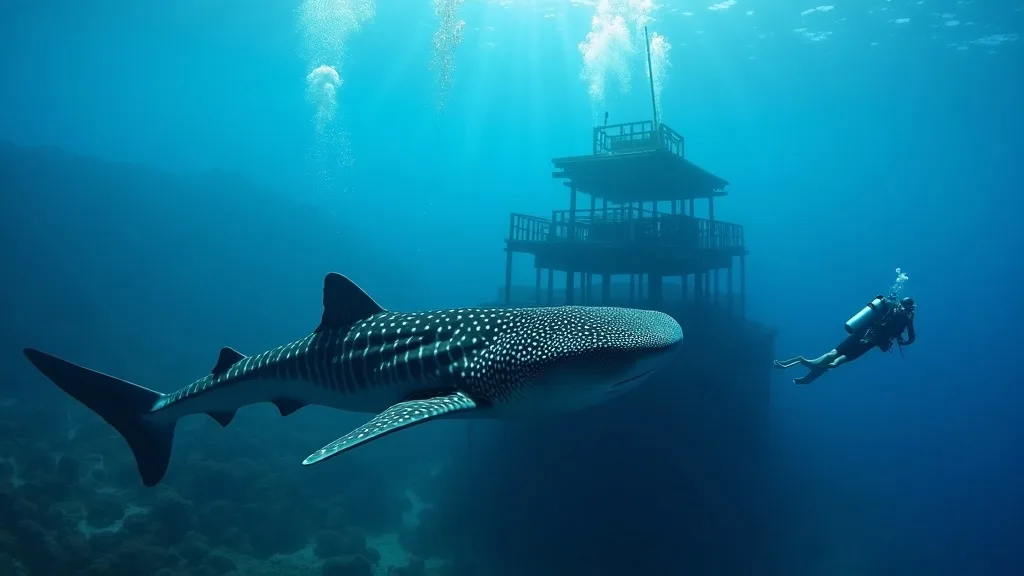
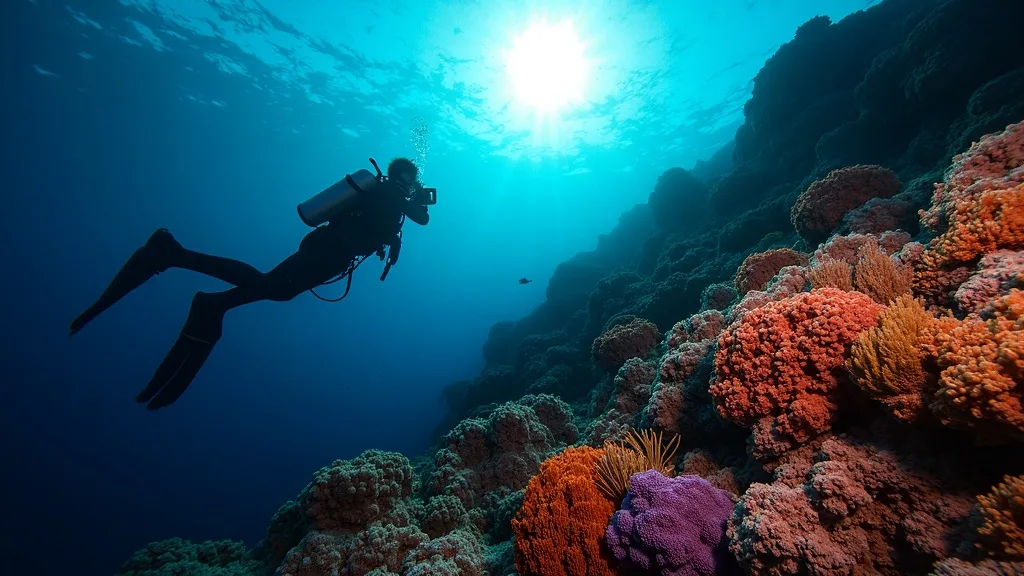
In 2027, Raja Ampat remains remarkably pristine, though not entirely untouched. Rigorous conservation efforts, including Marine Protected Areas and controlled tourism, are largely effective in mitigating environmental pressures. While climate change presents ongoing challenges, dedicated local and international initiatives aim to safeguard its biodiversity and maintain its appeal as a world-leading dive destination.
Is Raja Ampat Still a Pristine Experience in 2027 with Climate Change?
The question of Raja Ampat’s pristine nature in 2027, particularly in the face of global climate change, is a critical one for prospective visitors. The region, celebrated for its extraordinary marine biodiversity, is undeniably experiencing the effects of a changing global climate. However, the picture is not one of universal decline; rather, it’s a to robust conservation strategies and the inherent resilience of its ecosystems.
By 2027, the commitment to preserving Raja Ampat’s unique environment has only intensified. The area’s designation as a Marine Protected Area (MPA) network, established years ago, continues to be a cornerstone of this protection. These MPAs enforce strict regulations on fishing, resource extraction, and tourism activities, acting as vital buffers against degradation. For instance, the enforcement of no-take zones and restrictions on certain fishing gear directly contributes to maintaining fish populations and coral health, even as external pressures mount.
While coral bleaching events linked to rising sea temperatures have occurred in various parts of the world, Raja Ampat’s unique oceanography provides some natural resilience. Its complex current systems, upwellings, and diverse habitats can offer refugia for corals, allowing for faster recovery in some areas compared to others. Nonetheless, monitoring of Raja Ampat coral health 2027 is an ongoing priority, with scientific teams regularly assessing reef conditions and implementing restoration projects where feasible.
Understanding Raja Ampat’s Environmental Impact in 2027
The discussion around Raja Ampat environmental impact 2027 extends beyond climate change to include the footprint of tourism itself. Recognising this, the region has adopted a high-value, low-volume tourism model. This approach prioritises sustainable operations, often involving smaller liveaboards and eco-friendly homestays, over mass tourism. Many operators adhere to strict environmental guidelines, including proper waste management, responsible diving practices (e.g., no touching, maintaining buoyancy), and supporting local conservation initiatives.
The local communities play a crucial role in this stewardship. Many homestays are locally owned and operated, providing direct economic benefits that incentivise conservation. This community-based tourism model strengthens the resolve to protect the natural assets that attract visitors. Furthermore, visitor fees, such as the Marine Park and Port Fees, directly contribute to the funding of conservation programmes and local community development, ensuring that tourism actively supports the region’s long-term sustainability.
For those planning a trip, understanding the specific operator’s commitment to sustainability is key. For example, many liveaboards like the Raja Ampat Aggressor or Emperor Raja Laut, which have confirmed itineraries into 2027, often detail their environmental policies and how they minimise their impact. Booking with such operators ensures your visit contributes positively to conservation efforts.
Dive Conditions and Marine Life Projections for 2027
Divers planning for 2027 can still anticipate extraordinary encounters. The region’s staggering biodiversity, including 580 kinds of coral and 1397 fish species, is expected to remain a primary draw. Specific long-tail search themes for 2027, such as "Best time to dive Raja Ampat for giant oceanic mantas 2027", indicate continued interest in its iconic megafauna. While local conditions can vary, the best times for specific sightings, like manta rays or whale sharks, are generally consistent year-on-year, driven by seasonal currents and feeding patterns.
- Coral Diversity: The unique "Coral Triangle" location ensures species richness.
- Fish Abundance: Expect to see an incredible variety of reef fish, pelagics, and macro life.
- Iconic Species: Mantas, reef sharks, and various types of pygmy seahorses remain common sightings.
- Visibility: Generally excellent, though can be affected by plankton blooms which, while reducing visibility, attract larger filter feeders.
Liveaboard schedules for 2027, such as the Raja Ampat Aggressor’s March 2027 voyages or the Emperor Raja Laut’s January 2027 expeditions, often highlight specific itineraries like "Raja Ampat Wayag Island diving itinerary 3-4 dives daily 2027", confirming that these iconic sites remain central to the diving experience.
Planning Your Raja Ampat Expedition for 2027
Future visitors planning a Raja Ampat trip in 2027 should be aware of booking requirements and costs. "Raja Ampat liveaboard diving trip December 2027 prices" and "Raja Ampat Aggressor liveaboard March 2027 double deluxe price" are common search queries, highlighting the need for early planning. Non-refundable deposits, often around $1000, are standard for securing prime dates. Additional costs like "Nitrox cost per day onboard Raja Ampat liveaboard 2027" and the aforementioned "Marine Park and Port Fees Raja Ampat liveaboard $250 2027" should also be factored into budgets.
Whether opting for a luxurious liveaboard or a more immersive "Raja Ampat homestay dive trip February 2027 10-12 days", meticulous planning ensures a smooth and enjoyable experience. Many operators also offer specialised trips, such as "Raja Ampat underwater photography workshop December 2027 booking", catering to specific interests.
The Role of Technology and Monitoring in 2027
Technological advancements are playing an increasing role in conservation efforts. Remote sensing, underwater drones, and advanced data analytics are being deployed to monitor marine health, track illegal activities, and assess the effectiveness of MPAs. This data-driven approach allows for more agile and informed management decisions, which is crucial for adapting to the dynamic challenges of climate change and human activity.
Citizen science initiatives also contribute significantly. Visitors participating in dive trips are often encouraged to report sightings or unusual observations, feeding into larger databases that help scientists monitor changes in marine populations and reef conditions. This collective effort strengthens the overall protection strategy for Raja Ampat.
2027 Note: While the challenges posed by climate change are real and ongoing, the concerted efforts by local communities, conservation organisations, and responsible tourism operators provide a strong foundation for Raja Ampat to maintain its status as a premier marine biodiversity hotspot. Visitors in 2027 can still expect an extraordinary and largely untouched experience, provided they choose operators committed to sustainable practices.
FAQ
what measures are being taken to preserve raja ampat’s pristine environment for future visitors in 2027
In 2027, Raja Ampat’s pristine environment is preserved through a multi-faceted approach. This includes the enforcement of a robust network of Marine Protected Areas (MPAs) with strict regulations on fishing and resource extraction. A high-value, low-volume tourism model is in place, encouraging eco-friendly operations and responsible diving practices. Visitor fees directly fund conservation programmes and local community development, fostering local stewardship. Ongoing scientific monitoring of coral health and marine life, alongside community-based conservation initiatives, further safeguards the region.
What is the best time to visit Raja Ampat for diving in 2027?
The optimal time to visit Raja Ampat for diving in 2027 generally remains between October and April. During these months, the seas are typically calmer, and visibility is excellent. While diving is possible year-round, the peak season offers the most favourable conditions for accessing diverse dive sites and encountering a wide array of marine life, including iconic species like mantas.
Are there sustainable accommodation options available in Raja Ampat for 2027?
Yes, sustainable accommodation options are readily available in Raja Ampat for 2027. These primarily include locally owned and operated homestays, which often employ eco-friendly practices and directly support local communities. Additionally, many liveaboard operators adhere to strict environmental guidelines, focusing on responsible waste management and energy consumption, aligning with the region’s commitment to sustainable tourism.