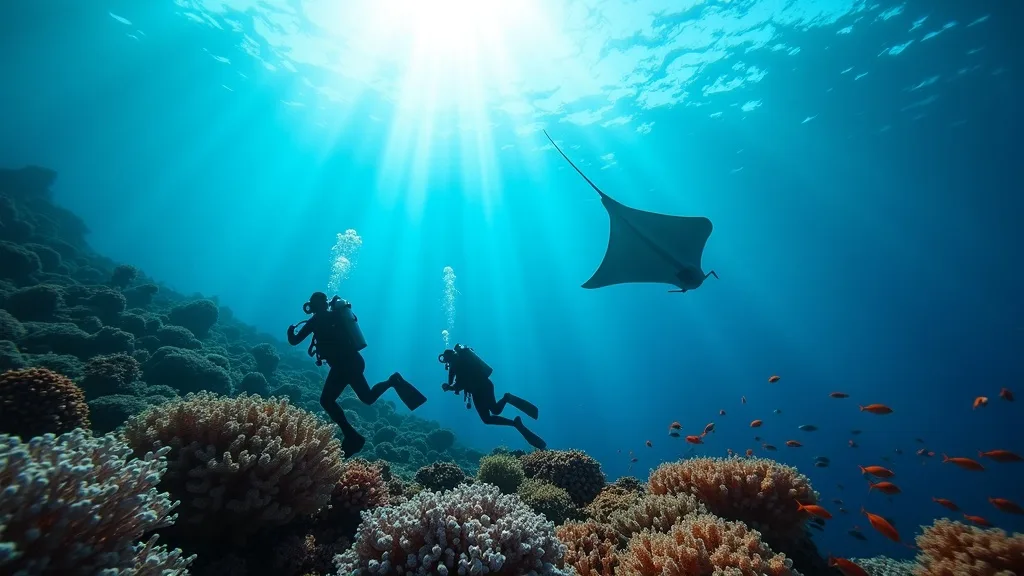
Yes, the Raja Ampat experience remains profoundly worth it in 2027, offering marine biodiversity and pristine conditions for divers and nature enthusiasts. Despite growing interest, careful planning for Raja Ampat liveaboard diving or homestay options ensures a rewarding and uncrowded adventure, preserving its allure as a premier global destination.
Is the Raja Ampat Experience Worth It in 2027?
As we approach 2027, the question of whether Raja Ampat maintains its legendary status as a premier diving and nature destination is increasingly pertinent. The archipelago, famed for its extraordinary biodiversity and remote beauty, continues to attract discerning travellers. This assessment into current trends and future projections to determine if a journey to Raja Ampat truly remains a worthwhile investment of time and resources.
Raja Ampat’s allure is fundamentally rooted in its ecological significance. Home to 580 kinds of coral and 1397 fish species, it represents the epicentre of marine biodiversity. For divers, the prospect of encountering giant oceanic mantas and observing pygmy seahorses in their natural habitat is a powerful draw. The region’s commitment to conservation, evidenced by its Marine Park and Port Fees, supports ongoing efforts to protect these delicate ecosystems, ensuring that the experience in 2027 will be as rich as ever.
Raja Ampat in 2027: A Look at Liveaboard Options
The primary way to experience the extensive dive sites of Raja Ampat is via liveaboard. For December 2027, several options are already open for booking, including the Raja Ampat Aggressor. These vessels typically offer itineraries ranging from 7 to 12 days, encompassing multiple daily dives. For example, a 10-day trip might include 3-4 dives daily, exploring sites around Wayag Island, Misool, and Dampier Strait. The cost implications for such trips in 2027 include non-refundable deposits, often around $1000, and additional fees for Nitrox, typically $100-$150 per day, alongside the mandatory Marine Park and Port Fees of approximately $250.
Booking well in advance is crucial for securing preferred dates and cabins, especially for peak seasons. For example, a March 2027 double deluxe cabin on a reputable liveaboard could be secured now. The "Raja Ampat Aggressor liveaboard March 2027 double deluxe price" is an early consideration for those planning ahead.
Sustainable Tourism and Local Engagement
The increasing focus on sustainable tourism means that the "Raja Ampat homestay dive trip February 2027 10-12 days" will likely see continued popularity. These local accommodations not only offer a more intimate cultural experience but also directly support local communities. Visitors can expect authentic "Raja Ampat Cuisine and Culture expedition January 2027" opportunities, perhaps aboard vessels like the Emperor Raja Laut, blending diving with cultural immersion. This approach contributes to the long-term viability of tourism in the region and enhances the overall visitor experience.
Considering Raja Ampat vs Maldives in 2027
When considering "Raja Ampat vs Maldives 2027" for a premier diving holiday, several distinctions emerge. While the Maldives offers luxurious resorts and excellent diving, Raja Ampat stands apart with its sheer biodiversity and relatively untouched feel. Raja Ampat’s intricate coral gardens and abundance of macro life, alongside pelagic encounters, often surpass the species diversity found in the Maldives. The "best time to dive Raja Ampat for giant oceanic mantas 2027" typically aligns with the calmer seas from October to April, a period that offers predictable conditions for these encounters.
For those seeking a more exclusive and wild marine experience, Raja Ampat generally holds the edge. The "Raja Ampat underwater photography workshop December 2027 booking" is another indicator of its appeal to serious divers and photographers, drawn by the clarity of the water and the vibrant ecosystems.
Planning Your 2027 Raja Ampat Expedition
To ensure a successful trip, detailed planning is essential. Consider the following:
- Booking Lead Times: Liveaboards, especially popular ones for "Raja Ampat liveaboard diving trip December 2027 prices", fill up quickly. Secure your spot at least a year in advance.
- Itinerary Choices: Research options like the "Raja Ampat Wayag Island diving itinerary 3-4 dives daily 2027" to align with your diving interests, whether it’s macro photography or pelagic encounters.
- Budgeting: Factor in not only the base trip cost but also "Nitrox cost per day onboard Raja Ampat liveaboard 2027" and "Marine Park and Port Fees Raja Ampat liveaboard $250 2027".
- Travel Insurance: Comprehensive travel and dive insurance is always recommended.
- Sustainability: Choose operators committed to responsible tourism. This helps preserve the "580 kinds of coral 1397 fish species Raja Ampat dive guide 2027" experience for future visitors.
For those considering a special occasion, such as a honeymoon, exploring luxury Raja Ampat travel honeymoon packages for 2027 can provide an unforgettable and intimate experience amidst stunning natural beauty.
2027 Note: As the world progresses, the demand for pristine natural experiences only grows. Raja Ampat’s remote location and conservation efforts position it uniquely to continue offering an authentic and profound connection with nature, making it a truly exceptional destination for the foreseeable future. The specific availability and pricing for late 2027 are becoming clearer, reinforcing the need for timely reservations.
FAQ
is raja ampat still worth it in 2027 or is it too crowded now
Yes, Raja Ampat is still worth it in 2027. While its popularity has grown, it is not considered too crowded. Its vastness, combined with controlled tourism and the remote nature of many dive sites accessed by liveaboards, allows visitors to experience its marine biodiversity without feeling overwhelmed by crowds. Strategic planning and booking through reputable operators ensure a serene experience.
What is the best time to visit Raja Ampat for diving?
The best time to visit Raja Ampat for diving is generally from October to April. During these months, the seas are calmer, visibility is excellent, and conditions are ideal for encountering marine life such as manta rays and various shark species. This period also largely avoids the monsoon season.
Are there non-diving activities available in Raja Ampat?
Yes, Raja Ampat offers several non-diving activities. These include kayaking or paddleboarding through mangrove forests, bird watching for species like the Red Bird-of-Paradise, island hopping to explore pristine beaches and lagoons, and cultural visits to local villages to learn about the indigenous Papuan way of life.