The authentic Raja Ampat experience blends immersive cultural encounters with responsible eco-tourism, fostering genuine connections with local Papuan communities and preserving the region’s biodiversity. We facilitate enriching interactions, from village visits to traditional craft workshops, ensuring sustainable practices underpin every adventure.
Discovering the Authentic Raja Ampat Experience
Raja Ampat, an archipelago in West Papua, Indonesia, offers more than just spectacular diving; it presents a profound opportunity for an authentic Raja Ampat experience. Our commitment lies in connecting visitors with the true spirit of this remarkable region, focusing on sustainable practices and genuine engagement with local communities. This approach ensures that every journey contributes positively to the conservation of its unique environment and supports the livelihoods of its indigenous people.
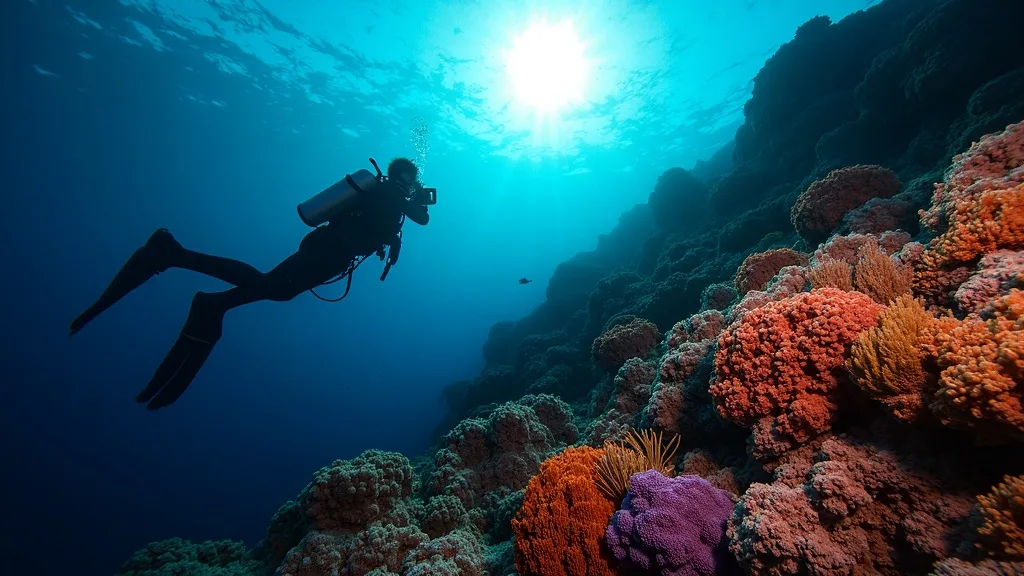
The rich marine biodiversity of Raja Ampat is globally renowned, boasting 580 kinds of coral and 1397 fish species. Protecting this delicate ecosystem is paramount. Through carefully curated itineraries, we promote a raja ampat eco tourism experience that minimises environmental impact while maximising educational and inspirational value. This includes initiatives like respectful interaction with marine life, adherence to local conservation guidelines, and supporting community-based conservation projects.
Immersive Raja Ampat Cultural Experience
Beyond the vibrant coral reefs, the cultural heritage of Raja Ampat is equally captivating. A raja ampat cultural experience involves direct interaction with the indigenous Papuan people, offering insights into their traditional way of life, customs, and craftsmanship. Our programmes facilitate visits to local villages, participation in traditional ceremonies, and opportunities to learn about local handicrafts, providing a deeper understanding of the region’s human dimension.
Key elements of our cultural immersion include:
- Visits to local Papuan villages for direct interaction.
- Opportunities to observe and participate in traditional crafts.
- Learning about local customs, stories, and culinary practices.
- Supporting community-based initiatives that preserve cultural heritage.
Planning Your 2027 Raja Ampat Eco-Tourism Adventure
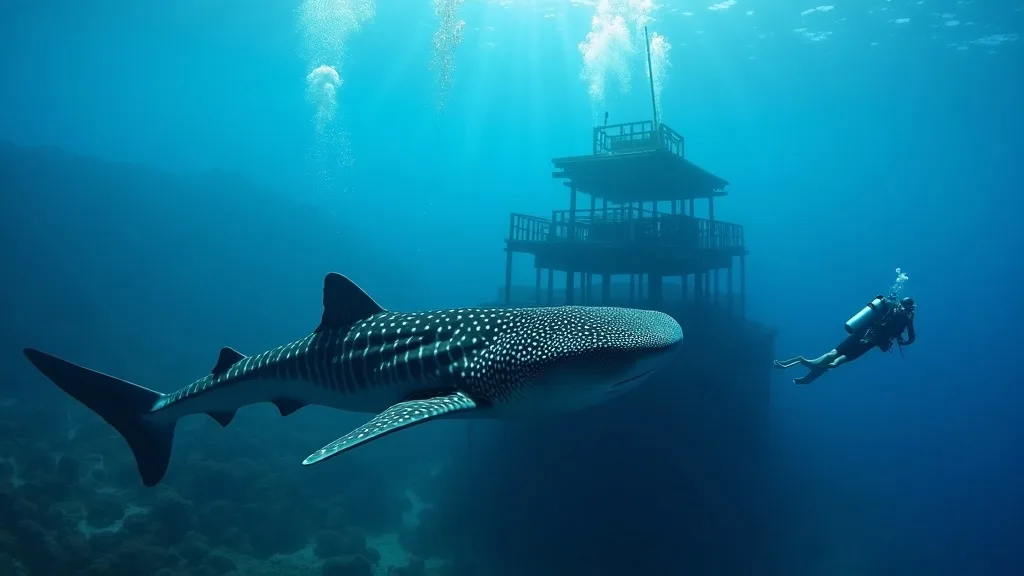
For those planning a trip in 2027, several factors influence the eco-tourism experience. The best time to dive Raja Ampat for giant oceanic mantas 2027 typically aligns with specific seasons, often around December to March. Liveaboard options, such as the Raja Ampat Aggressor liveaboard March 2027, offer structured itineraries, often including 3-4 dives daily around iconic locations like Wayag Island. It is advisable to secure bookings well in advance, as popular options fill quickly. Understanding costs, such as non-refundable deposit Raja Ampat liveaboard 2027 of approximately $1000 and Marine Park and Port Fees Raja Ampat liveaboard of $250, is crucial for budgeting. For detailed pricing and booking assistance, please visit our page on Raja Ampat Experience Price & Trip Quotes for 2027.
Nitrox cost per day onboard Raja Ampat liveaboard 2027 will vary by vessel, but typically ranges from $10-15. For those interested in a more terrestrial focus, a Raja Ampat homestay dive trip February 2027 can provide a 10-12 day immersion into local life combined with local diving. Consider a Raja Ampat underwater photography workshop December 2027 for a specialised skill-building experience.
2027 Note on Raja Ampat Travel
As 2027 approaches, we observe a growing interest in sustainable travel and cultural immersion. While specific search volume data for 2027 is not yet available, the themes of responsible tourism, genuine local engagement, and conservation are projected to remain highly relevant. Travellers are increasingly seeking experiences that offer educational value and contribute positively to the destinations they visit. This aligns perfectly with our mission to provide authentic, eco-conscious adventures in Raja Ampat.
Raja Ampat Liveaboard Options and Itineraries
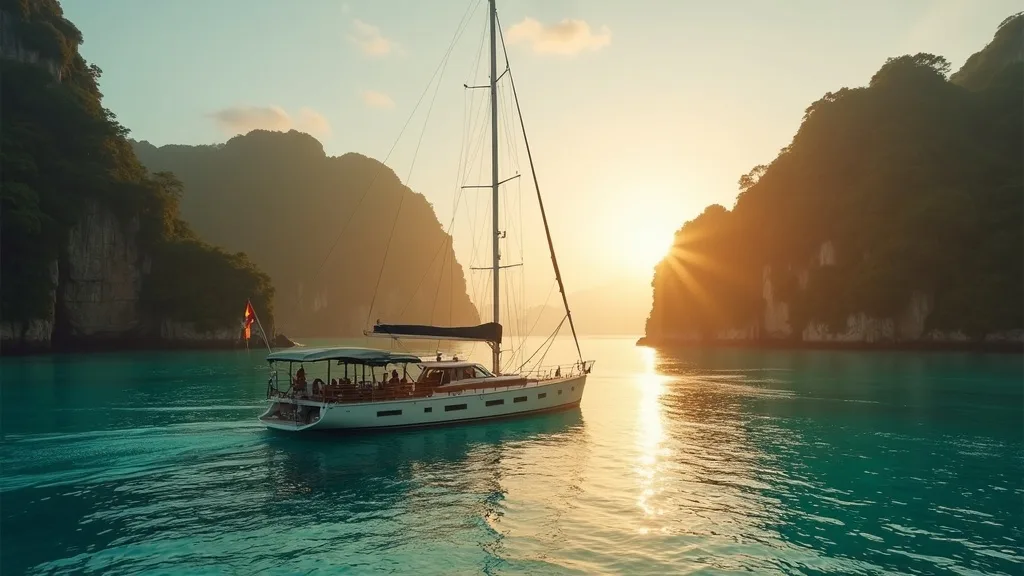
Liveaboards remain a popular choice for experiencing Raja Ampat’s marine wonders. Vessels like the Emperor Raja Laut offer specific itineraries, such as the Raja Ampat Cuisine and Culture expedition January 2027, which combines diving with culinary and cultural exploration. When considering a liveaboard, always check the Raja Ampat liveaboard diving trip December 2027 prices and what is included in the fare, such as Nitrox and park fees. For a comprehensive overview of your options, including details on Raja Ampat diving experience and snorkelling adventure booking, explore our dedicated pages.
| Theme | Focus | Typical Duration |
|---|---|---|
| Diving & Marine Life | Extensive diving, marine biodiversity, specific species encounters (e.g., mantas) | 7-12 days |
| Culture & Diving | Village visits, traditional crafts, local cuisine alongside diving | 8-10 days |
| Photography Workshop | Underwater photography instruction, dedicated photo dives | 9-11 days |
| Eco-Conservation Focus | Marine biology lectures, conservation project visits, responsible diving practices | 7-14 days |
FAQ
How can I find an authentic Raja Ampat cultural experience with local Papuan villages?
To find an authentic Raja Ampat cultural experience, seek tour operators or liveaboard itineraries that explicitly include guided visits to local Papuan villages. These programmes often feature interactions with community members, opportunities to observe traditional crafts, and participation in cultural ceremonies. Ensure the experiences are conducted respectfully and benefit the local communities directly.
What is the best time to visit Raja Ampat for diving and cultural experiences in 2027?
The optimal time for diving and cultural experiences in Raja Ampat generally falls between October and April, with December to March often considered peak season for marine life sightings, especially mantas. During these months, weather conditions are typically stable, offering excellent visibility for diving and comfortable conditions for village visits and land excursions.
What are the typical costs associated with a Raja Ampat liveaboard trip in 2027, including deposits and fees?
For a Raja Ampat liveaboard trip in 2027, anticipate a non-refundable deposit of around $1000 to secure your booking. Additionally, expect to pay approximately $250 for Marine Park and Port Fees. Nitrox, if used, typically incurs an extra daily charge. Overall trip costs vary significantly based on liveaboard class, itinerary length, and cabin type, so review specific operator pricing carefully.